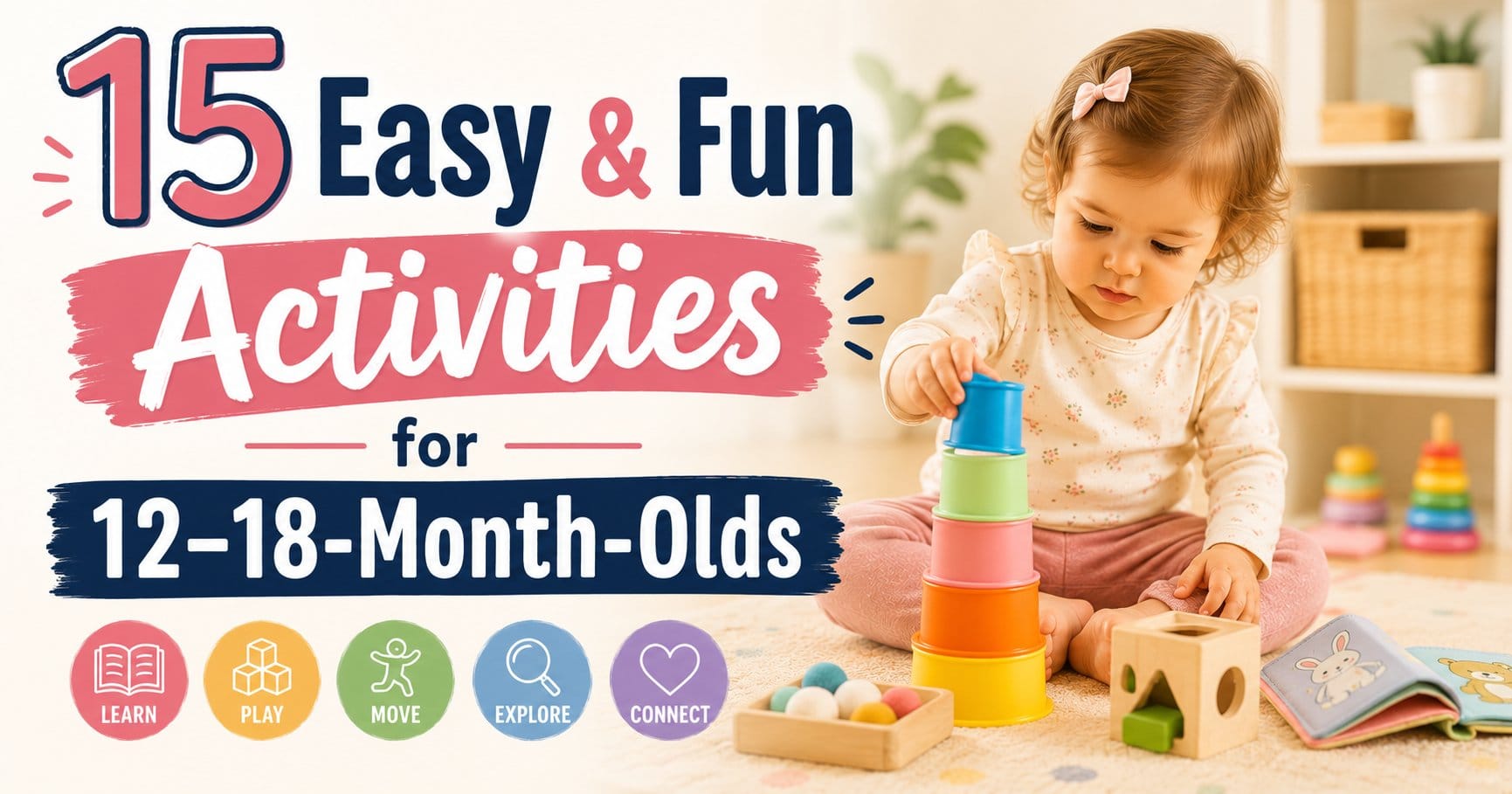
15 Easy & Fun Activities for 12–18-Month-Olds
Some days, you just wish you had an extra pair of hands.
You clean the living room.
Your toddler empties the toy basket.
You put everything away.
They get bored again.
And suddenly, the phone is right there.
We’ve all been there.
But a 12–18-month-old doesn’t need a screen to stay entertained. At this age, the world around them is already a giant little playground.
An empty box can become a treasure chest.
A book can become a hide-and-find game.
A few cups can become a tower.
And a pile of pillows can become a mountain.
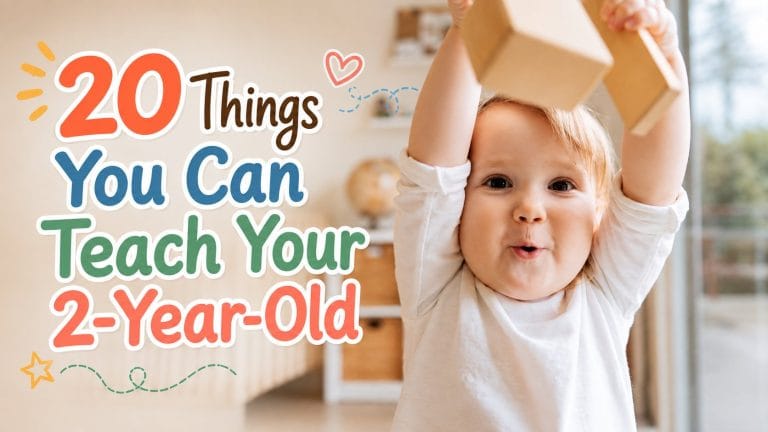
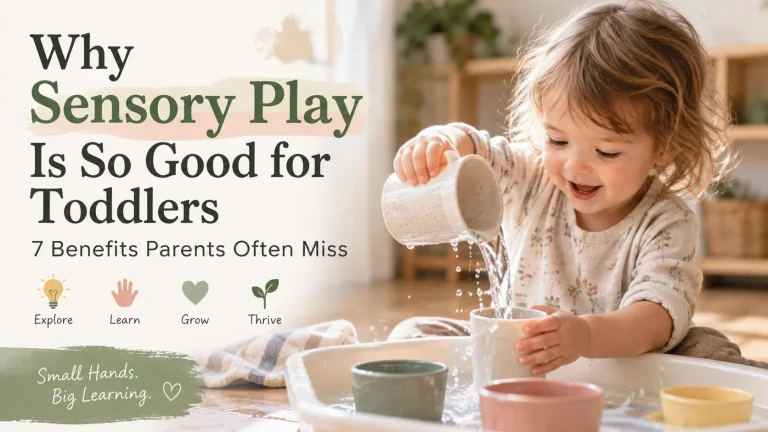
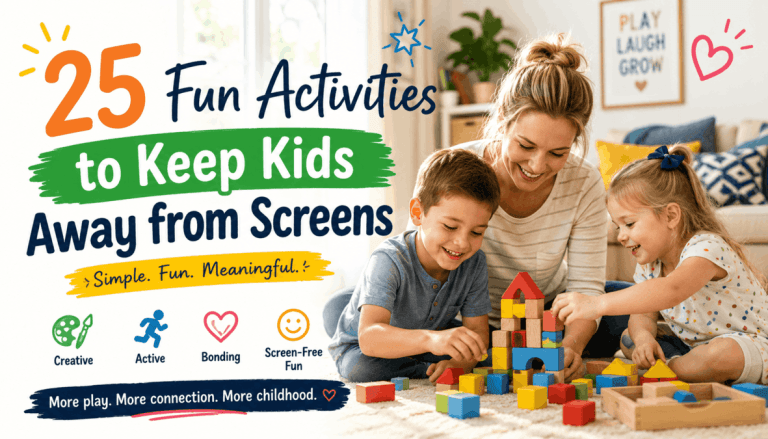
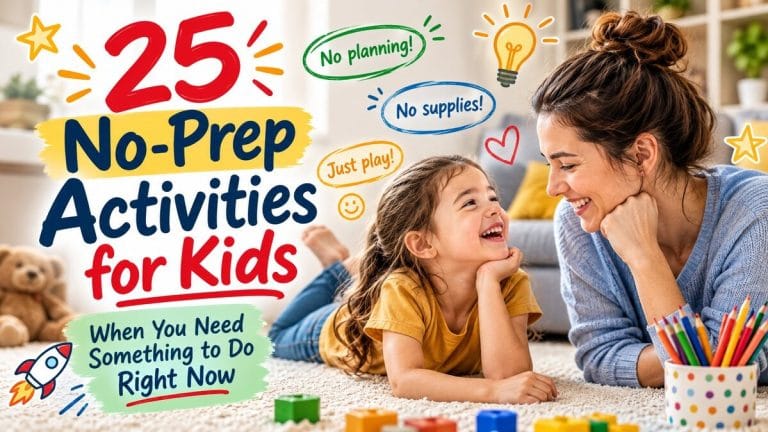
Here are 15 simple, low-prep activities to help your toddler play, explore, and learn without a phone or TV.
15 Easy & Fun Activities for 12–18-Month-Olds
As an Amazon Associate, Intelligent Mother earns from qualifying purchases.
Mom's Everyday Favorites
Thoughtful finds for busy days, family life, and a little time for yourself.
1. Read a Book, But Let Your Toddler “Read” Too
You don’t have to read every single word.
Choose a book with big, clear pictures and let your toddler turn the pages.
Point to a dog.
“Where’s the dog?”
Wait for them to point.
Then say:
“There it is. Dog!”
If they don’t say the word yet, that’s perfectly fine. A BEAUTY FIND Moisturizing cream for face and body with ceramides and hyaluronic acid.
CeraVe Moisturizing Cream
A little pointing can be the beginning of a whole conversation.
Reading together gives toddlers a chance to practice turning pages, pointing to pictures, listening to new words, and building vocabulary while enjoying quiet time with you.
2. Play “Where Is It?”
This one takes almost no preparation.
Look around the room and ask:
“Where’s the lamp?”
“Where’s the ball?”
“Where’s Mommy?”
When your toddler finds it, say the word again.
Don’t turn it into a test.
You’re not checking how many words they know. A BEAUTY FIND A niacinamide serum for a simple everyday skincare routine.
The Ordinary Niacinamide 10% + Zinc 1%
You’re helping them discover that a word can stand for something in their real world.
Toddlers may start pointing long before they can clearly say the word. And sometimes, that little pointing finger is the first step toward a new word.
3. Sort Two Colors
Place two bowls in front of your toddler.
One yellow.
One blue.
Then give them a few objects in those colors.
Show them what to do first.
“Yellow goes in the yellow bowl.”
Then hand them one.
Don’t start with five colors.
Don’t dump 20 objects in front of them. A BEAUTY FIND A hydrating essence for a moisture-focused skincare routine.
COSRX Advanced Snail 96 Mucin Power Essence
Start with two colors that look clearly different.
Busy Toddler recommends keeping a first sorting activity very simple, modeling the process, and narrating what you’re doing as your child explores..
4. Build a Tower and Knock It Down
This game comes with its own reward.
Stack a few blocks.
“One… two… three!”
Then let your toddler knock them down.
CRASH!
They’ll probably want to do it again.
This time, let them try putting one block on top. A BEAUTY FIND Washable mascara for everyday makeup looks.
Maybelline Lash Sensational Sky High Washable Mascara
They’re practicing balance, hand-eye coordination, and cause and effect. As an Amazon Associate, Intelligent Mother earns from qualifying purchases. Thoughtful picks related to this article.Helpful products to explore

But to your toddler, it’s simply:“Build it. Knock it down. Do it again!”
5. Make a Secret Picture Book
Grab a picture book.
Cover a few pictures with small pieces of removable paper or sticky notes.
Then hand the book to your toddler.
“What’s hiding here?”
Let them pull the paper away. A BEAUTY FIND Daily facial moisturizer with ceramide-3 and niacinamide.
La Roche-Posay Toleriane Double Repair Face Moisturizer
A picture appears.
That’s it.
A tiny surprise can turn an ordinary book into a little treasure hunt.
This type of activity combines page turning, pulling, discovery, and vocabulary practice for young toddlers.
6. Put It in the Box
Find a safe container and a few appropriately sized objects.
Give your toddler one.
“Put it in.”
They drop it in.
Then:
“Take it out!”
Out it comes.
In.
Out.
In.
Out.
For an adult, it might look like the world’s least exciting game. A BEAUTY FIND Moisturizing cream for face and body with ceramides and hyaluronic acid.CeraVe Moisturizing Cream
For a toddler, it’s a tiny experiment:
“What happens when I do this?”
Simple container play can support fine motor development, problem-solving, and noticing how objects move in and out.
7. Roll the Ball Back and Forth
Sit across from your toddler.
Roll the ball toward them.
“Your turn.”
Wait for them to push or roll it back.
No rules.
No score. A BEAUTY FIND A niacinamide serum for a simple everyday skincare routine.The Ordinary Niacinamide 10% + Zinc 1%
Just two people, one ball, and a little time together.
It’s a simple way to practice coordination, movement, and the early idea of taking turns. As an Amazon Associate, Intelligent Mother earns from qualifying purchases. Thoughtful finds for busy days, family life, and a little time for yourself.Mom's Everyday Favorites


8. Paint With Water
This one is perfect when your toddler wants to “paint” but you don’t want the whole house to become an art studio.
Put a little water in a bowl.
Give your toddler a suitable paintbrush.
Use colored paper or an appropriate surface.
They brush.
A mark appears. A BEAUTY FIND A hydrating essence for a moisture-focused skincare routine.COSRX Advanced Snail 96 Mucin Power Essence
Then it slowly disappears as it dries.
And they can start all over again.
No paint.
No giant cleanup.
Just water and a brush.
Painting with water can give toddlers a chance to practice fine motor movements, creativity, and cause and effect with very little mess.
9. Go Outside and Explore
You don’t need a fancy playground.
Just step outside.
Touch the grass.
Look at a leaf.
Listen to a bird.
Walk with Mom.
Feel the dirt.
A leaf falling to the ground can become a lesson.
“The leaf fell.”
“Green.” A BEAUTY FIND Washable mascara for everyday makeup looks.Maybelline Lash Sensational Sky High Washable Mascara
“Soft.”
Your toddler is learning with their whole body, not just their eyes.
Outdoor play also gives young children opportunities to move, explore different textures, and experience sights and sounds they don’t get indoors.
10. Build a Pillow Mountain
Pile a few large pillows together and make a little “mountain.”
Stay close while your toddler explores how to crawl over, around, or across it.
You can even hide on the other side and ask:
“Where’s Mommy?” A BEAUTY FIND Daily facial moisturizer with ceramide-3 and niacinamide.La Roche-Posay Toleriane Double Repair Face Moisturizer
Then pop out.
“Here I am!”
To you, it’s a pile of pillows.
To your toddler, it’s an adventure.
Pillow play can encourage balance, coordination, spatial awareness, and simple problem-solving as toddlers navigate an uneven surface.
11. Sing and Dance
Put on a familiar children’s song.
Then dance.
There doesn’t need to be a right way.
You clap.
Your toddler claps.
You spin. A BEAUTY FIND Moisturizing cream for face and body with ceramides and hyaluronic acid.CeraVe Moisturizing Cream
They laugh.
You stop.
They wait.
Songs with movements give toddlers opportunities to hear language, imitate actions, and interact with you.
12. Make a Little Discovery Tray
Place a few safe, appropriately sized household objects on a tray.
A cup.
A spoon.
A cloth.
A large ball.
A small container.
Then step back a little.
Let your toddler touch.
Bang. A BEAUTY FIND A niacinamide serum for a simple everyday skincare routine.The Ordinary Niacinamide 10% + Zinc 1%
Stack.
Move.
Drop.
Explore.
At this age, open-ended exploration is play.
Oh Hey Let’s Play uses simple “explore tubs” filled with everyday objects as a way for young children to investigate and discover.
13. Play With Blocks in a New Way
Today, don’t build a tower.
Instead, let your toddler:
- line blocks up;
- put them in a container;
- take them back out;
- find blocks that look alike;
- bang two blocks together.
One toy doesn’t need to have just one purpose.
That’s also why rotating toys can work so well. A BEAUTY FIND A hydrating essence for a moisture-focused skincare routine.COSRX Advanced Snail 96 Mucin Power Essence
When a familiar toy disappears for a few days and comes back, it can suddenly feel new again. Oh Hey Let’s Play describes rotating toys and activities as a way to keep play fresh without constantly buying new things.
14. Find the Matches
Put two spoons together.
“They match!”
Then find two socks.
Two cups.
Two balls.
You don’t need to call it a “matching activity.”
Just say:
“You found two that are the same!” A BEAUTY FIND Washable mascara for everyday makeup looks.Maybelline Lash Sensational Sky High Washable Mascara
Your toddler is beginning to notice similarities and differences, which can become the foundation for more advanced sorting and matching later on.
15. Do Nothing
Yes.
Nothing.
You don’t have to prepare an activity every minute of the day.
Put a few familiar toys in a safe space.
Stay nearby.
Watch.
Let your toddler choose what they want to explore.
Maybe they’ll pick up a block.
Maybe a cup.
Maybe they’ll spend five minutes opening and closing a box.
That’s okay.
You don’t have to turn every minute into a “learning activity.”
Sometimes your job is simply to open the door and let your child explore their own little world.
A Simple Trick So You Don’t Need 15 New Activities Every Day
You don’t.
Try an activity rotation.
Choose four or five activities.
Let them stay available for a few days. A BEAUTY FIND Daily facial moisturizer with ceramide-3 and niacinamide.La Roche-Posay Toleriane Double Repair Face Moisturizer
Then put some away and bring out a different group.
A week later, bring a few familiar ones back.
Toddlers don’t need a room full of brand-new toys.
Sometimes all you need to change is the way they see something they’ve already seen before.
That idea of rotating toys and activities to keep play fresh is one of the strongest practical ideas in Oh Hey Let’s Play’s approach.
And When You Hear…
“I’m bored!” As an Amazon Associate, Intelligent Mother earns from qualifying purchases. Thoughtful picks related to this article.Helpful products to explore

You don’t have to reach for the phone.
Look around.
A book.
A ball.
A few blocks.
A box.
Some water.
A pile of pillows.
Your toddler’s world is still enormous.
Sometimes, they just need a little help noticing it.
As an Amazon Associate, Intelligent Mother earns from qualifying purchases.
Mom's Everyday Favorites
Thoughtful finds for busy days, family life, and a little time for yourself.