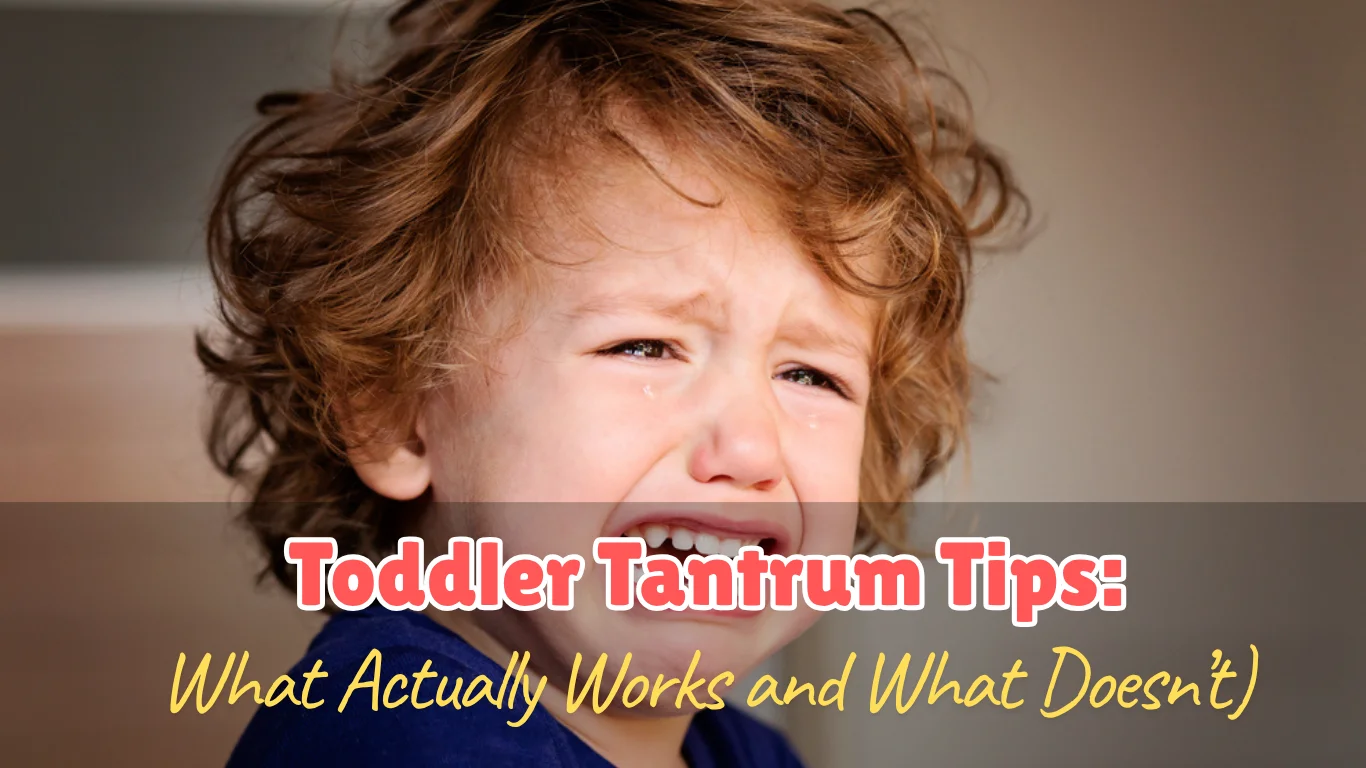
Toddler Tantrum Tips: What Actually Works (and What Doesn’t)
What actually helps when your child falls apart, and what helps you not fall apart with her.
First things first: I’m not going to tell you to “stay calm.” You already know that. You know you shouldn’t yell, or threaten, or turn a small thing into a big power struggle.
But knowing that over a quiet cup of coffee is one thing. Doing it while a two-year-old screams at you from the cereal aisle is something else entirely.
Tantrums usually start over something tiny. A banana that broke in half. Socks that are the wrong color. (Yes, there are right and wrong colors. Ask any toddler.) A few minutes later, the whole room is swept up in it. She cries, I tense up, my explanations pile on top of each other, and everyone just wants it to be over.
And if it happens in public? Even worse. Now I’m not only dealing with my child’s feelings. I’m also dealing with the feeling that the entire store is watching me, holding up score cards.
In that moment, the question in my head is usually: How do I make her stop?
I’ve started asking a different one: How do I keep this from getting worse, help her get through the feeling, and still hold the line on the things that matter?
That’s a much more doable goal. And honestly, it feels like I can breathe again.
First, a Little Perspective on What Your Child Is Going Through
Tantrums are very common in the early years. Little kids are still learning how to say what they want, how to handle disappointment, and how to manage big feelings. These skills don’t show up all at once. And they definitely don’t show up just because I explained the same rule twelve times.
According to Raising Children Network, tantrums can come from frustration, strong emotions, trouble communicating, or a brain that is still learning to self-regulate. Being hungry, tired, stressed, or overstimulated makes it even harder.
Think about it. I get cranky when plans get canceled or when work piles up. But I have tools. I can explain myself, wait before I react, or tell myself, “This will pass.” A two- or three-year-old doesn’t have those tools yet. Her feelings arrive faster than her understanding, and her wanting is stronger than her waiting.
That doesn’t mean anything goes. If she hits, bites, breaks things, or runs toward the street, I step in. But knowing her limits helps me respond without assuming she’s doing this just to ruin my day.
Mayo Clinic also points out that young kids usually don’t have tantrums just to embarrass or anger their parents. But if a behavior keeps getting a child what she wants, or helps her avoid something she doesn’t want to do, it can stick around. (Mayo Clinic)
So two things are true at once: her feelings are real, and my boundaries still matter. I don’t have to pick between understanding her and teaching her.
In the Middle of the Storm, Don’t Try to Fix Everything
When my child won’t listen, my first instinct is to talk more. I explain why we have to stop. I remind her of the rules. I ask questions. I offer choices. Then nothing changes, so I get louder, hoping that this time it will click.
(It never clicks.)
When a child is that upset, a long explanation is just more noise in a room that’s already too noisy. HealthyChildren.org, the parenting site of the American Academy of Pediatrics, suggests skipping the long explanations during a tantrum and holding the boundary with short, simple statements.
So I try to change my goal. Instead of getting her to understand everything right now, I focus on three things: keep everyone safe, bring the temperature down, and hold the boundary.
Safety first, reasons later. If she’s banging her head on something hard, hitting someone, throwing something dangerous, or heading for the street, I step in right away. I move the object, guide her somewhere safer, or gently block the harmful behavior. But if she’s crying loudly and she’s safe? I don’t have to stop the crying this second. Not every tantrum needs an instant fix. Sometimes the first job is just making sure nobody gets hurt.
Use fewer words, but don’t turn silence into a punishment. I try to speak slowly, keep my voice low, and use simple sentences like:
- “I can see you’re really mad.”
- “You don’t want to stop. I get it.”
- “I won’t let you hit.”
- “I’m here when you need me.”
You don’t need all four. Pick the one that fits and then give your child a little time. There’s no magic phrase that works every time. The point is to let her know I see her feelings, and that the boundary hasn’t changed.
And if she doesn’t want a hug, I don’t force one just to prove we’ve made up. Some kids want closeness when they’re upset. Others need space. I watch how she reacts and stay close in a way that feels safe to her. Raising Children Network also suggests staying near young children, naming their feelings, and not trying to reason with them while the tantrum is still going.
Acknowledge the feeling without giving in. This might be the most important one. I can understand that she’s angry about leaving the playground, and I can still say playtime is over. I can tell her I know how badly she wants something, and I can still say no. Something like:
“You really want to keep playing. I know you’re disappointed. But it’s time to go now.”
No speech about why I’m right. If the boundary is clear and fair, calmly saying it again usually works better than negotiating forever. Big Little Feelings also separates accepting a child’s feelings from accepting her behavior or giving in to her demands. A word of warning, though: naming the feeling won’t always make the tantrum end faster. Sorry. I wish it did. As an Amazon Associate, Intelligent Mother earns from qualifying purchases. As an Amazon Associate, Intelligent Mother earns from qualifying purchases. Thoughtful finds for busy days, family life, and a little time for yourself. Thoughtful picks related to this article.Mom's Everyday Favorites
Helpful products to explore

Don’t make “calming down” a task she has to finish right now. Sometimes she won’t respond to comfort at all. She keeps crying, keeps protesting, or even gets more upset when I come closer. That doesn’t mean I’m doing it wrong. A child can’t always go from furious to calm just because the grown-up picked the perfect words.
If I keep asking, “Are you calm yet?” or “Why are you still crying?” or I only give her attention once she stops, my help turns into one more pressure. So I stay nearby without talking nonstop, and I hold the boundary without demanding that she stop feeling upset. The goal isn’t to make feelings disappear on command. It’s to help her get through them without hurting herself or anyone else.
And What About You? How Do You Stay Calm When You’re About to Blow?
“Stay calm” is great advice that’s not very helpful in the moment. Grown-ups have limits, too. Crying that goes on and on is stressful. A surprise can make us feel out of control. And when other people are watching, embarrassment and fear of being judged can make us react even harder.
So instead of just telling myself, “Be calm,” I try to have a tiny plan.
Make a pause before you react. When I feel a yell coming, and she’s safe, I stop talking for a few seconds. I drop my shoulders, breathe slowly, and lower my voice before I say the next thing. Sometimes I tell myself: “I don’t have to solve this in the next ten seconds.” It doesn’t make the tantrum disappear. It just reminds me that I get to pick my next move, instead of letting my frustration pick it for me.
If I feel close to losing it, I make sure she’s somewhere safe and step away for a moment. If another trusted adult is nearby, I ask for help. And if there’s any risk that I might hurt my child, I create safe distance and get support right away. That’s not abandoning her. That’s knowing my limits before things become dangerous.
Stop trying to prove you’re the boss. Tantrums can drag us into a tug-of-war that nobody actually wants. She protests. I give an order. She gets louder. I get louder. Pretty soon the original problem is gone, and the new question is: who is going to give in first?
But I don’t have to win a volume contest to be the parent. I can stop dangerous behavior, stick to my decision, and end the negotiation without shaming her or being scary. That doesn’t mean I have to be gentle every single time. Sometimes a clear boundary, a firm action, and very few words is exactly right. Being calm isn’t the same as having no authority. It’s using your authority without letting anger drive.
When It Happens in Public, Don’t Let Strangers’ Eyes Do the Parenting As an Amazon Associate, Intelligent Mother earns from qualifying purchases. Thoughtful finds for busy days, family life, and a little time for yourself.Mom's Everyday Favorites


A tantrum at home is hard enough. At a restaurant, a waiting room, or a crowded store, there’s a bonus round of pressure: the feeling that everyone is watching. You start to worry that people think your child is badly behaved, that you have no idea what you’re doing, that they’re all waiting to see your next move.
That feeling makes us want to do whatever stops the crying fastest. Give in to something we’d normally refuse. Snap because we’re embarrassed. Or keep explaining ourselves out loud, as if to prove we have the situation under control. (I have done all three. Sometimes in one afternoon.)
But the people around us aren’t raising our child. They also don’t know what happened this morning, how she’s feeling, or what our family is dealing with.
If I need to, I move her somewhere quieter with fewer distractions. I speak briefly, hold my boundary, support her, and give myself time. I don’t need to explain to the whole world that I’m a good mom. And I don’t need to make her stop crying to protect my image.
That doesn’t mean ignoring everyone else. If she’s hurting someone or it’s becoming dangerous, I step in. If it’s time to leave, I leave when I can. But I try to decide based on safety and what’s practical, not just to escape the feeling of being judged.
One question helps me a lot: “If nobody were watching, what would I do to help my child and keep the boundary?” The answer usually brings me back to what matters.
After the Storm, She May Be Ready to Learn Something
Once she has calmed down, I can talk about what happened. But I don’t need to turn every tantrum into a big moral lesson. For a little one, a short chat is plenty:
“You were so mad when it was time to stop. Next time, you can tell me you’re upset. I’ll listen, but when it’s time to stop, we still have to stop.”
If she hit someone or broke something, I tell her clearly that it’s not okay. When it fits her age, I help her fix it or deal with the result. Understanding feelings doesn’t mean skipping responsibility.
I can also look at my own part. If I yelled, I own it, without blaming her:
“I spoke too loudly earlier. I’m sorry for how I talked to you. I still need to stop you from hitting, but I’ll try to say it more calmly.”
An apology doesn’t make me a weaker parent. It shows her that grown-ups are responsible for their behavior, too. According to Raising Children Network, once a child is calm, parents can help her name her feelings, think about what happened, and practice other ways to respond next time.
This is also a good time to look for patterns. When do the tantrums tend to happen? Are they linked to hunger, tiredness, switching activities, a loud place, or asking too much of her? Don’t decide anything after one bad day. Look for what keeps repeating. Sometimes knowing what pushes your child over the edge helps your family get ready for next time.
How to Prevent Some Tantrums (Not All, I Promise I’m Not That Mom)
You can’t stop every tantrum. But you can avoid some of the predictable ones and slowly help your child get better at handling big feelings.
Pay attention to basic needs. Hungry, tired, uncomfortable, and overstimulated kids have a much harder time with frustration. Think about meals, naps, and the tricky moments in between.
Give a heads-up before an activity ends. If your child is old enough, tell her what’s coming next. It won’t guarantee a cheerful “okay!” but it may make the switch less of a shock.
Offer small choices. Instead of a huge open question, give two options you’re happy with. She gets to decide, within limits you’ve already set.
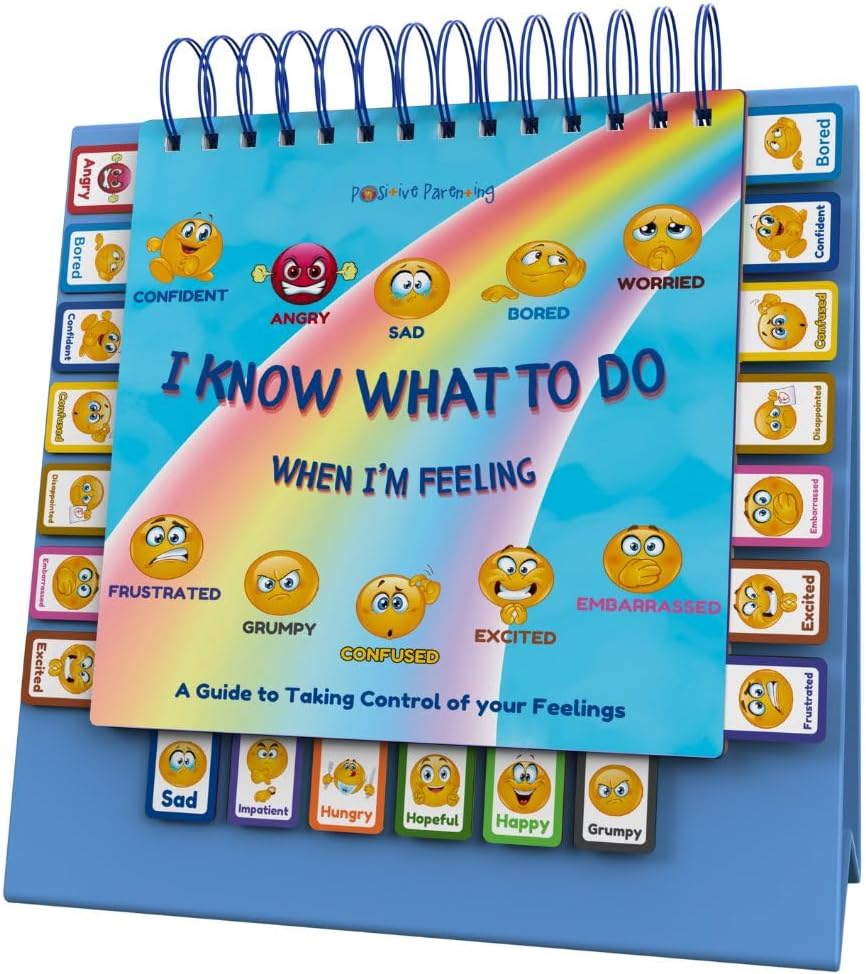
Teach feeling words when she’s calm. Words like mad, disappointed, sad, worried, and tired give her something to use instead of behavior. For kids who don’t talk much yet, simple gestures or pictures can help.
Notice when she copes well. When she waits, tries again after a letdown, or asks for something with words, say exactly what you saw. No need for over-the-top praise. Just help her notice the skill she’s building.
Be consistent, but flexible. Safety rules and big boundaries stay. But you can adjust your expectations for her age, health, and abilities. Consistent doesn’t mean acting like a robot.
These ideas match what Mayo Clinic and Raising Children Network say about spotting triggers, building routines, offering choices, and teaching kids to recognize emotions.
And please remember: none of this is a test of how good a mom you are. You can prepare perfectly and still have a day when your child struggles. A tantrum doesn’t automatically mean you did something wrong.
When to Ask for More Help
Tantrums are normal in little kids, but not every situation can be solved with parenting tips.
If the tantrums often lead to injuries, involve dangerous behavior, get worse over time, or really disrupt your child’s life or your family’s, talk to your pediatrician or a professional in child development or children’s mental health. Also reach out if her behavior feels like more than your family can handle, or if you often feel close to losing control of your own anger.
Mayo Clinic suggests talking to a health professional if tantrums get worse after about age four, or if they include hurting herself or others. But you don’t have to wait for a certain age if you’re already worried.
Asking for help isn’t admitting you failed. It’s a way to understand your child better and find what works for your family.
Questions Moms Often Ask
Should I ignore her during a tantrum?
There’s no one answer. If she’s safe, you can choose not to argue, keep persuading, or give lots of attention to behavior that isn’t dangerous. But that’s different from leaving a child who is scared, overwhelmed, or needs support. Think about her age, how upset she is, and whether she’s safe.
Should I hug her to help her calm down?
You can, if she welcomes it. Some kids find a hug comforting. Others get more upset when touched during a big meltdown. Don’t force a hug to make her stop crying. Put safety first, watch her reaction, and adjust.
Should I give in to end it faster?
If you change a boundary only because you want the crying to stop, she may learn that big protests sometimes change your mind. But parents can change their minds, too, if they realize they misunderstood or the first request wasn’t fair. What matters is deciding based on the situation and her real needs, not just to escape how uncomfortable the tantrum feels.
How long will this last?
There’s no timeline that fits every child. Tantrums are common in the early years and usually fade as language, self-control, and problem-solving grow. How often they happen and how intense they are is different for each kid. If you’re worried about what the tantrums look like or what they cause, ask a professional instead of just waiting for her to grow out of it.
Maybe We’re Not Just Learning How to Calm Our Kids
When our child is having a tantrum, we want everything to go back to normal. Of course we do. Crying that goes on forever is exhausting, and sometimes we just want a little peace and quiet.
But if our only goal is to make her quiet as fast as possible, we might miss the bigger things: keeping everyone safe, helping her name her feelings, holding our boundaries, and teaching her how to handle frustration.
We also have to notice our own feelings. Sometimes we’re angry at the behavior. Sometimes we’re just tired from everything else we’re carrying. And sometimes what sets us off isn’t the crying at all, but the feeling that other people are judging us.
Noticing that doesn’t make us perfect parents. It just gives us one more moment to choose how we respond.
She might still cry. The boundary might still disappoint her. And sometimes, even when we do everything right, we’ll have a day when nothing goes the way we hoped.
That doesn’t mean we failed.
A little girl is learning to live with big feelings. A mom is learning to help her through them without letting them run the whole show.
Maybe, in our hardest mom moments, what matters most isn’t how fast we end the tantrum. It’s whether, once the storm has passed, we both still get a chance to understand each other a little better, make things right, and try again tomorrow. As an Amazon Associate, Intelligent Mother earns from qualifying purchases. Thoughtful picks related to this article.Helpful products to explore
Now it’s your turn: when was the last time you both had a meltdown, and what helped you pull yourself together?

As an Amazon Associate, Intelligent Mother earns from qualifying purchases.
Mom's Everyday Favorites
Thoughtful finds for busy days, family life, and a little time for yourself.