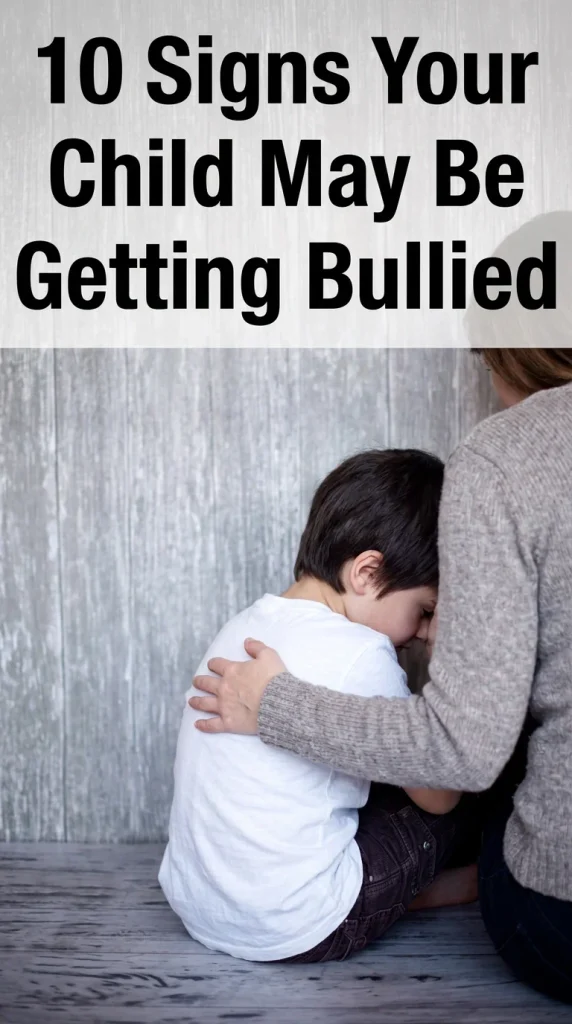
10 Signs Your Child May Be Getting Bullied That Parents Often Miss
There is something funny about children.
They can spend 15 minutes explaining why the dinosaur in their favorite cartoon made a terrible life decision.
But ask:
“How was school today?”
“Fine.”
“What did you do?”
“Nothing.”
“Who did you play with?”
“I don’t remember.”
End of press conference.
You can ask ten more questions, and somehow every answer still becomes:
“I don’t know.”
But sometimes, a child really is trying to tell us that something isn’t right.
They just aren’t using words yet.
Maybe they suddenly don’t want to go to school.
Maybe their lunchbox keeps coming home untouched.
Maybe they get a stomachache every Sunday night.
Maybe the child who used to tell you every tiny detail about school suddenly becomes very quiet whenever you mention it.
None of these things automatically means bullying.
Children have bad days. They argue with friends. They get tired. They get frustrated with homework. And sometimes, they simply don’t want to go to school on Monday.
But when several changes appear together, especially when they are new or persistent, they deserve our attention.
StopBullying.gov lists changes in physical health, sleep, school participation, friendships, and emotions among possible warning signs of bullying. At the same time, it emphasizes that these signs do not prove bullying because they can also happen for many other reasons.
So what should parents actually watch for?
As an Amazon Associate, Intelligent Mother earns from qualifying purchases.
Mom's Everyday Favorites
Thoughtful finds for busy days, family life, and a little time for yourself.

1. Your Child Suddenly Doesn’t Want to Go to School
This one is easy to dismiss.
Because let’s be honest.
Not every child loves school.
And some adults aren’t exactly writing poetry about Monday mornings either.
But there is a difference between:
“I don’t want to go to school today.”
and:
“I don’t want to go to school anymore.”
Or:
“My stomach hurts.”
“Can I stay home today?”
“I hate school.”
If those sentences start showing up again and again, especially when your child used to go to school without much trouble, it’s worth paying attention. A BEAUTY FIND Moisturizing cream for face and body with ceramides and hyaluronic acid.
CeraVe Moisturizing Cream
StopBullying.gov includes reluctance to attend school, declining interest in schoolwork, and declining grades among possible warning signs.
But don’t immediately ask:
“Is someone bullying you?”
That question can feel like you’ve already decided what the answer is.
Try something smaller:
“School seems to have gotten harder for you lately. What’s been the hardest part?”
Sometimes a good question is like a key.
You don’t need to break down the door.
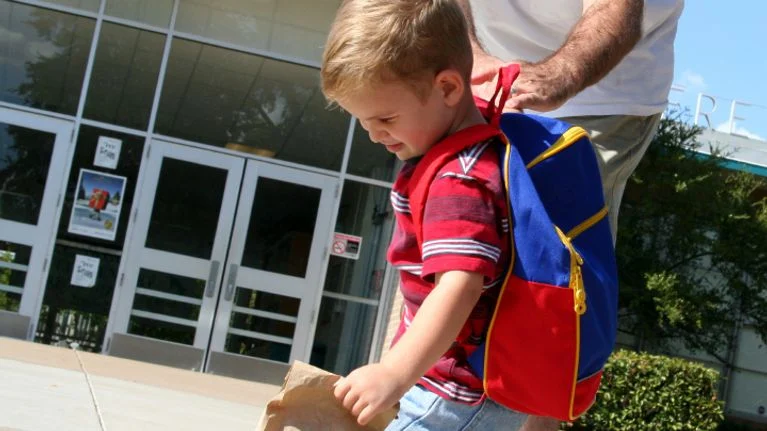
2. Your Child Keeps Getting Headaches or Stomachaches
This is one of the sneakiest signs.
There may be no bruise.
No torn shirt.
No dramatic hallway scene.
Just a stomachache.
Then another one.
Then another one on Monday morning.
Children can experience physical symptoms when they’re under stress. StopBullying.gov lists headaches, stomachaches, feeling sick, and changes in eating among possible warning signs.
Research has also found an association between bullying victimization and physical symptoms such as headaches and stomachaches. A BEAUTY FIND A niacinamide serum for a simple everyday skincare routine.
The Ordinary Niacinamide 10% + Zinc 1%
But remember:
A stomachache does not mean your child is being bullied.
Sometimes a stomachache is just a stomachache.
What matters is the pattern.
If the complaints keep appearing before school, before a particular activity, or around certain people, that’s when it may be worth asking a few gentle questions.
Think of it as a dashboard warning light.
You don’t immediately take the whole car apart.
But you probably shouldn’t cover the light with tape either.
3. Your Child’s Things Keep Disappearing or Coming Home Damaged
Kids lose things.
This is practically a law of nature.
Pencils disappear.
Water bottles migrate.
One sock vanishes into another dimension.
So one missing pencil isn’t exactly a parenting emergency.
But if clothes, books, school supplies, electronics, jewelry, or other personal belongings repeatedly disappear or come home damaged without a clear explanation, pay attention. A BEAUTY FIND A hydrating essence for a moisture-focused skincare routine.
COSRX Advanced Snail 96 Mucin Power Essence
StopBullying.gov identifies lost or damaged personal belongings as a possible warning sign.
Instead of:
“WHO BROKE YOUR STUFF?”
try:
“I’ve noticed a few of your things have gone missing or been damaged lately. Do you know what happened?”
Then pause.
Really pause.
You don’t have to fill the silence.
Sometimes the answer is hiding inside those few quiet seconds.
4. Your Child’s Sleep Suddenly Changes
Bedtime can already be its own little battlefield.
“It’s time for bed.”
“I’m not tired.”
“You were falling asleep five minutes ago.”
“I’m awake now.”
A classic.
But if your child’s sleep suddenly changes, take notice.
They may:
- struggle to fall asleep
- wake up frequently
- have nightmares
- become afraid of bedtime
- wake unusually early
- seem exhausted during the day

A BEAUTY FIND
Maybelline Lash Sensational Sky High Washable Mascara
Washable mascara for everyday makeup looks.
View on AmazonSleep problems and nightmares are among the warning signs identified by StopBullying.gov.
During the day, children have plenty of distractions.
School.
Friends.
Homework.
Games.
Cartoons.
But when the lights go out and the house gets quiet, the brain suddenly has an empty room to think in.
And sometimes, that’s when the things a child has been pushing away all day come back.
5. Your Child’s Friendships Suddenly Change
Children change friends.
Constantly.
Monday:
“She’s my best friend!”
Wednesday:
“I don’t like her anymore.”
Friday:
“We’re friends again.”
Childhood friendship dynamics can have the stability of a weather forecast.
So don’t panic every time your child’s best friend changes.
But pay attention when your child suddenly and persistently withdraws from friends or social activities.
Maybe they:
- stop inviting friends over
- don’t want to attend birthday parties
- avoid the playground
- stop talking about their friends
- spend breaks alone
- quit activities they used to love

A BEAUTY FIND
La Roche-Posay Toleriane Double Repair Face Moisturizer
Daily facial moisturizer with ceramide-3 and niacinamide.
View on AmazonStopBullying.gov lists sudden loss of friends and avoidance of social situations among possible warning signs.
Instead of:
“Why don’t you have any friends?”
try:
“I’ve noticed you’ve been spending less time with your friends lately. How are things going?”
Same child.
Same situation.
Very different conversation.
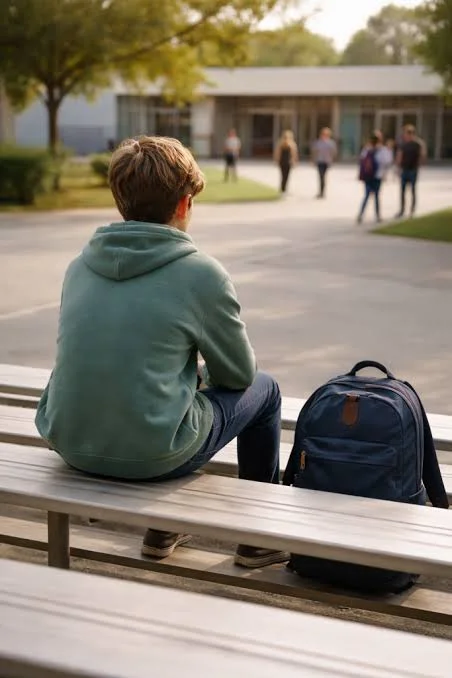
6. Their Mood Changes, But They Can’t Explain Why
One day, your child is their usual self.
Then something shifts.
They’re quieter.
More irritable.
More emotional.
Angrier.
More withdrawn.
Or perhaps they simply seem…
different.
You ask:
“What’s wrong?”
“Nothing.”
One of the most famous words in the childhood dictionary:
Nothing.
Sometimes nothing really is nothing.
But sometimes it means:
“I don’t know how to explain it.”
Or:
“I’m not ready to tell you.”
Research has found a relationship between bullying victimization and emotional difficulties such as anxiety and depression. A 2021 systematic review and meta-analysis examined 85 longitudinal studies involving more than 117,000 young people and found a bidirectional relationship between peer victimization and internalizing problems. A BEAUTY FIND Moisturizing cream for face and body with ceramides and hyaluronic acid.CeraVe Moisturizing Cream
That’s important because we shouldn’t look at a sad child and immediately conclude:
“They’re being bullied.”
Instead:
“Something is making my child struggle. I need to understand what it is.”
7. Your Child’s Grades Suddenly Drop
A child who normally does reasonably well suddenly starts bringing home poor grades.
Homework becomes a nightly battle.
They stop caring.
You might think:
“They’re getting lazy.”
Maybe.
But maybe not.
Imagine trying to concentrate on a math problem while part of your brain is busy wondering what will happen at lunch tomorrow.
It’s hard to solve fractions when your brain is dealing with something much bigger.
StopBullying.gov lists declining grades and reduced interest in schoolwork among possible warning signs. A BEAUTY FIND A niacinamide serum for a simple everyday skincare routine.The Ordinary Niacinamide 10% + Zinc 1%
So before launching into the familiar:
“You need to take responsibility for your schoolwork!”
try:
“School seems harder lately. Is there anything happening there that’s making it difficult to concentrate?” As an Amazon Associate, Intelligent Mother earns from qualifying purchases. Thoughtful finds for busy days, family life, and a little time for yourself.Mom's Everyday Favorites


Sometimes what looks like an academic problem is actually coming from somewhere else.
The smoke is visible in the classroom.
The fire may be somewhere completely different.
8. Your Child Starts Avoiding Certain Places or Activities
This one can be surprisingly revealing.
Your child used to enjoy riding the school bus.
Now they don’t want to.
They loved the playground.
Now they avoid it.
They couldn’t wait for soccer practice.
Now they suddenly have seventeen reasons not to go.
They loved an after-school activity.
Now they want to quit. A BEAUTY FIND A hydrating essence for a moisture-focused skincare routine.COSRX Advanced Snail 96 Mucin Power Essence
When something a child once enjoyed suddenly becomes something they desperately want to avoid, ask:
“What changed?”
That’s often a better question than:
“Why are you being difficult?”
You’re not assuming the answer.
You’re simply noticing that something is different.
And you’re giving your child room to explain.
9. Your Child’s Phone or Online Behavior Suddenly Changes
Bullying doesn’t always end when the school bell rings.
Sometimes it follows a child home.
And sometimes it lives inside the device sitting in their hand.
Cyberbullying can be particularly difficult for parents to spot because much of it happens behind a screen.
StopBullying.gov notes that possible warning signs can include strong emotional reactions while using a device, hiding the screen, avoiding conversations about online activity, changes in social-media accounts, and withdrawing from social situations.
Maybe your child laughs at their phone one minute… A BEAUTY FIND Washable mascara for everyday makeup looks.Maybelline Lash Sensational Sky High Washable Mascara
and suddenly looks upset the next.
Maybe they close an app when you walk into the room.
Maybe they stop using a device they previously loved.
Or maybe they start checking it constantly.
None of these things proves cyberbullying.
But a sudden change in digital behavior combined with emotional distress deserves a conversation.
And preferably not:
“Give me your phone. NOW.”
Try:
“I’ve noticed you’ve seemed upset after using your phone lately. Is something happening online?”
You’re trying to open the door.
Not kick it off its hinges.
10. Your Child Starts Saying Small Things That Feel Very Heavy
This may be the hardest sign to recognize.
Children rarely sit down and say:
“Mom, I am experiencing a significant problem with peer relationships.”
Instead, they might say:
“Nobody likes me.”
“I’m weird.”
“I don’t want to go anymore.”
“Everyone hates me.”
“I’m not good at anything.”
Or:
“I wish I didn’t have to go to school.”
These statements don’t automatically mean bullying.
But they deserve your attention. A BEAUTY FIND Daily facial moisturizer with ceramide-3 and niacinamide.La Roche-Posay Toleriane Double Repair Face Moisturizer
Research has found associations between peer victimization, lower self-esteem, and emotional difficulties among young people.
So when your child says something that makes you pause…
don’t rush to correct them.
Don’t immediately say:
“That’s not true! You’re amazing!”
Of course you believe they’re amazing.
But first, try:
“What makes you feel that way?”
Sometimes understanding the feeling is more important than immediately trying to erase it.
Don’t Look for One Sign. Look for a Pattern.
This is where parents can accidentally turn into detectives.
One stomachache:
“Bullying!”
One bad grade:
“Something terrible is happening!”
One missing pencil:
“WHO TOOK IT?”
Let’s put the detective hat away for a moment.
None of these signs, by itself, proves that a child is being bullied.
StopBullying.gov specifically notes that not every child who is bullied shows warning signs, and that these same behaviors can also be associated with other problems. A BEAUTY FIND Moisturizing cream for face and body with ceramides and hyaluronic acid.CeraVe Moisturizing Cream
What matters more is the change from your child’s normal behavior.
If your normally social child suddenly:
- doesn’t want to go to school
- has frequent stomachaches
- avoids friends
- sleeps poorly
- loses interest in school
- becomes unusually quiet
that’s a much bigger reason to pay attention than any single symptom.
You aren’t trying to solve a mystery in one afternoon.
You’re trying to understand your child.
What Should You Do If You Notice Several Signs?
Start with one simple rule:
Get curious before you get angry.
You don’t need a 47-question interrogation.
You don’t need to turn the kitchen table into a police station.
And you probably don’t need to begin with:
“WHO IS BULLYING YOU?”
Try:
“I’ve noticed you’ve seemed different lately. I’m not angry. I just want to understand what’s going on.”
Then listen.
Really listen.
Don’t immediately correct.
Don’t immediately lecture.
Don’t immediately start planning revenge against a ten-year-old.
The American Psychological Association recommends talking openly with children about bullying and avoiding responses that simply tell them to “let it go” or “toughen up.” A BEAUTY FIND A niacinamide serum for a simple everyday skincare routine.The Ordinary Niacinamide 10% + Zinc 1%
If your child tells you they’re being bullied, take it seriously. Talk with them about what happened, document important details when appropriate, and involve the relevant adults at school or elsewhere.
And if your child talks about self-harm, suicide, running away, or feeling unsafe, don’t wait to see whether things improve on their own. Seek immediate professional or emergency support appropriate to your location. StopBullying.gov identifies these as serious warning signs requiring prompt help.
One Last Thing Every Parent Should Remember
When we picture bullying, we often imagine a dramatic scene.
A child gets pushed.
Someone says something cruel.
Other kids stand around watching.
Everything is obvious.
Real life isn’t always like that.
Sometimes it looks like this:
Your child walks through the front door.
Drops their backpack.
You ask:
“How was school?”
They say:
“I’m tired.”
Then they go upstairs.
No tears.
No bruises.
No dramatic story. A BEAUTY FIND A hydrating essence for a moisture-focused skincare routine.COSRX Advanced Snail 96 Mucin Power Essence
Just a small change.
Then another.
Then another.
That’s why paying attention matters.
You aren’t looking for a perfect piece of evidence.
You’re looking for a change in the weather.
And when the clouds keep gathering over a child who normally has sunshine in their voice, it may be time to sit beside them and ask:
“Hey, what’s going on?”
Sometimes that’s the question a child has been waiting all day to hear.
FAQ
How can I tell if my child is being bullied?
There is no single sign that proves bullying is happening. Look for sudden or persistent changes in behavior, emotions, school attendance, friendships, sleep, physical complaints, or academic performance. Then talk with your child and consider the broader context.
What if my child says, “Nothing is wrong”?
Don’t force the conversation.
You can say:
“Okay. You don’t have to talk right now. But if something is bothering you, you can always tell me.”
Then come back to the subject later.
Some children don’t tell adults because they’re embarrassed, afraid of retaliation, worried about getting someone in trouble, or simply don’t know how to explain what happened.
Should I ask my child directly if they’re being bullied?
Yes, but don’t make that your only question.
Try:
“What’s the hardest part of school lately?”
or:
“Is there anyone at school who makes you feel uncomfortable?”
Open-ended questions can make the conversation feel less like an investigation.
Should I contact the school?
If your child tells you they’re being bullied, or you have significant concerns about their safety or well-being, contacting an appropriate teacher, school counselor, administrator, or other trusted adult can be an important next step.
The appropriate response depends on what happened and how serious the situation is.
Could these signs mean something other than bullying?
Absolutely. A BEAUTY FIND Washable mascara for everyday makeup looks.Maybelline Lash Sensational Sky High Washable Mascara
A stomachache might be a health problem.
Poor grades might be an academic struggle.
Withdrawal might be related to anxiety, family changes, friendship problems, or many other things.
That’s why these are warning signs, not a diagnosis.
The goal isn’t to label your child.
It’s to notice when something has changed.
What if the bullying is happening online?
Pay attention to sudden changes in how your child uses their phone, social media, games, or other devices, especially when those changes come with sadness, fear, anger, secrecy, or withdrawal.
Keep communication open and preserve relevant evidence when appropriate.
What if my child talks about hurting themselves?
Take it seriously and seek immediate professional or emergency help.
Do not leave a child alone if there is an immediate safety concern.
Bullying has been associated with serious mental-health consequences, and research has found associations between bullying involvement and suicidal thoughts and behaviors.
What’s the most important thing a parent can do?
Stay approachable.
You don’t need the perfect speech.
You don’t need to know exactly what to do before your child talks to you.
You need your child to believe:
“If something bad happens, I can tell Mom or Dad.”
Sometimes, being that safe place is the most important thing you can do.
As an Amazon Associate, Intelligent Mother earns from qualifying purchases.
Mom's Everyday Favorites
Thoughtful finds for busy days, family life, and a little time for yourself.